Introduction
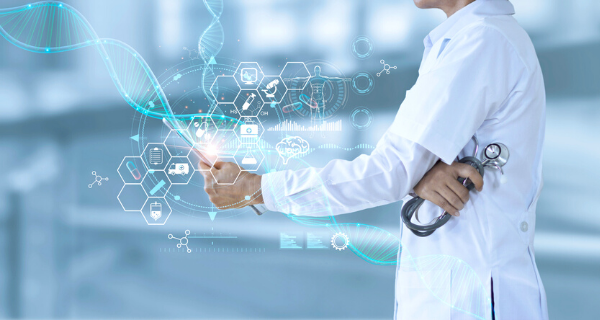
Technology is transforming healthcare in ways that were difficult to imagine only a few decades ago. From digital health records and telemedicine to artificial intelligence, wearable devices, robotic surgery, and advanced medical imaging, modern technology is changing how healthcare is delivered, managed, and experienced.
Healthcare technology is not simply about using computers in hospitals. It involves a broad range of digital tools, medical devices, software platforms, communication systems, data analytics, and artificial intelligence technologies designed to improve healthcare services. These innovations can help doctors make better-informed decisions, allow patients to access medical services remotely, improve hospital operations, and support earlier detection of health problems.
The transformation of healthcare is also changing the relationship between patients and healthcare professionals. Patients can now use smartphones and wearable devices to monitor various aspects of their health, communicate with healthcare providers online, access medical information, and manage appointments and prescriptions digitally.
As technology continues to develop, healthcare is becoming more connected, personalized, data-driven, and accessible. However, this transformation also creates challenges, including cybersecurity risks, privacy concerns, technology costs, digital inequality, and the need for healthcare professionals to adapt to new systems.
This article explores how technology is transforming healthcare, the most important healthcare technologies, their benefits, challenges, future trends, and the role technology may play in creating a more efficient and patient-centered healthcare system.
What Is Healthcare Technology?
Healthcare technology refers to the use of technological tools and systems to support medical care, diagnosis, treatment, prevention, research, administration, and communication.
It includes both physical medical equipment and digital technologies. Examples include:
- Electronic health records
- Telemedicine platforms
- Artificial intelligence
- Medical imaging systems
- Wearable health devices
- Robotic surgical systems
- Mobile health applications
- Remote patient monitoring
- Health information systems
- Cloud computing
- Digital therapeutics
- Medical data analytics
- 3D printing
- Virtual reality
- Genomic technologies
The goal of healthcare technology is not necessarily to replace healthcare professionals. Instead, technology can provide doctors, nurses, researchers, and patients with better tools for making decisions and managing healthcare.
When implemented responsibly, technology can improve efficiency, reduce unnecessary delays, support accurate diagnosis, and make healthcare more convenient.
1. Electronic Health Records Are Changing Patient Care
One of the most important technological developments in healthcare is the widespread use of electronic health records, commonly known as EHRs.
In the past, medical information was often stored in paper files. These records could be difficult to organize, update, transfer, and access. Electronic health records allow patient information to be stored digitally and accessed by authorized healthcare professionals.
An electronic health record may contain information such as:
- Medical history
- Diagnoses
- Medication information
- Laboratory results
- Imaging reports
- Allergies
- Treatment plans
- Appointment information
- Clinical notes
Digital records can make it easier for healthcare professionals to review relevant patient information. They can also reduce the administrative burden associated with paper-based documentation.
Another advantage is that digital records can support communication between different departments and healthcare facilities when systems are properly connected and information sharing is permitted.
However, electronic health records also require strong cybersecurity, privacy protection, accurate data entry, and reliable infrastructure.
2. Telemedicine Is Expanding Access to Healthcare
Telemedicine is another major way technology is transforming healthcare.
Telemedicine allows patients to communicate with healthcare professionals using digital communication technologies. Depending on the service and medical situation, consultations may take place through video calls, phone calls, secure messaging, or other digital platforms.
Telemedicine can be particularly useful for people who live far from medical facilities. It may also help people who have difficulty traveling, provided that their medical needs are suitable for remote care.
For example, a patient may be able to discuss certain symptoms with a healthcare professional through a video consultation. A doctor can ask questions, review available information, and determine whether an in-person examination is necessary.
Telemedicine can also support follow-up appointments, routine consultations, and certain forms of healthcare monitoring.
However, remote healthcare is not appropriate for every situation. Some medical conditions require physical examination, diagnostic testing, emergency treatment, or specialized equipment.
The future of telemedicine will likely involve a combination of virtual and in-person healthcare rather than completely replacing traditional medical visits.
3. Artificial Intelligence Is Transforming Medical Diagnosis
Artificial intelligence is one of the most discussed technologies in modern healthcare.
AI systems can analyze large amounts of information and identify patterns that may be difficult to detect manually. In healthcare, researchers and organizations are exploring AI applications in medical imaging, clinical decision support, drug discovery, administrative tasks, and patient monitoring.
Medical imaging is one area where AI has received significant attention. Computer algorithms can analyze certain types of medical images and assist healthcare professionals in identifying potentially important findings.
AI can also help organize large datasets and support research. In drug development, computational methods may help researchers evaluate potential drug candidates and biological relationships.
However, artificial intelligence should be used carefully. An AI system can make mistakes, produce unreliable outputs, or perform differently when used with data that differs from its training environment.
Healthcare professionals therefore remain important for interpreting information, understanding patient circumstances, and making appropriate clinical decisions.
4. Wearable Devices Are Making Health Monitoring More Accessible
Wearable technology has become increasingly popular among consumers.
Smartwatches, fitness trackers, and other wearable devices can collect different types of information depending on their design. Some devices can monitor metrics such as:
- Heart rate
- Physical activity
- Sleep patterns
- Exercise duration
- Movement
- Certain other physiological measurements
This information can help people become more aware of their everyday habits.
Wearable technology is also being studied and used in healthcare settings for remote monitoring and research. Continuous or frequent measurements can potentially provide healthcare professionals with additional information about a patient’s condition.
However, consumer wearable devices should not automatically be considered equivalent to professional medical equipment. Measurements may have limitations, and unusual readings may require professional evaluation.
The long-term potential of wearable technology is significant because it can contribute to more continuous health monitoring rather than relying only on occasional visits to a healthcare facility.
5. Remote Patient Monitoring Is Changing Healthcare Delivery
Remote patient monitoring allows healthcare professionals to collect health information from patients outside traditional healthcare facilities.
Depending on the system, patients may use connected devices to collect relevant measurements and transmit information to healthcare professionals.
Remote monitoring can be useful for certain chronic conditions and post-treatment situations. Instead of requiring every patient to visit a hospital frequently, some information can potentially be collected remotely.
This model may help healthcare systems manage resources more efficiently while giving patients greater convenience.
Remote monitoring can also provide more frequent information than occasional appointments. When appropriate systems are used, changes in health measurements may alert healthcare teams that further evaluation is needed.
The effectiveness of remote monitoring depends on reliable technology, appropriate clinical protocols, patient participation, and timely responses from healthcare professionals.
6. Robotic Surgery Is Advancing Medical Procedures
Robotics is another important area of healthcare innovation.
Robotic surgical systems can provide surgeons with advanced instruments and interfaces designed to support certain procedures. These systems may offer enhanced visualization, precise instrument movement, and improved control in appropriate surgical environments.
It is important to understand that surgical robots generally do not operate independently like a human surgeon. In many systems, the surgeon controls the instruments through a specialized interface.
Robotic-assisted surgery may offer benefits in selected procedures, although outcomes depend on the specific operation, technology, surgical team, and patient.
As robotic systems continue to develop, researchers are exploring ways to make surgical procedures more precise and efficient while maintaining appropriate human oversight.
7. Medical Imaging Is Becoming More Advanced
Medical imaging has changed dramatically through technological development.
Modern healthcare uses technologies such as:
- X-rays
- CT scans
- MRI
- Ultrasound
- Nuclear medicine imaging
- Digital pathology
These technologies help healthcare professionals visualize structures and processes inside the body.
Digital imaging allows medical images to be stored electronically and shared with authorized professionals. Advanced software can also help process and analyze images.
Artificial intelligence and machine learning are increasingly being explored as tools for assisting image interpretation.
Improved imaging technology can support earlier detection and better understanding of certain diseases. However, medical imaging must be interpreted in the context of the patient’s symptoms, medical history, examination, and other tests.
8. Mobile Health Apps Are Empowering Patients
Smartphones have created a large ecosystem of mobile health applications.
Health apps can provide features such as:
- Appointment reminders
- Medication reminders
- Fitness tracking
- Health education
- Symptom documentation
- Appointment management
- Communication with healthcare providers
- Personal health records
Mobile health technology can make certain healthcare tasks more convenient.
For example, a patient can use an application to keep track of appointments and reminders rather than relying on paper notes.
Some applications are also designed for specific health conditions or wellness goals. However, users should consider the reliability, privacy policies, security practices, and medical claims of health applications before depending on them for important decisions.
9. Cloud Computing Is Improving Healthcare Data Management
Cloud computing allows organizations to store and process information using remote computing infrastructure.
Healthcare organizations generate enormous amounts of data, including medical records, laboratory results, imaging files, administrative information, and research data.
Cloud-based systems can provide flexible access to information for authorized users and can support collaboration between departments and organizations.
Cloud computing may also reduce the need for every healthcare organization to maintain all computing infrastructure locally.
However, healthcare data is highly sensitive. Cloud systems therefore require strong security controls, access management, encryption, monitoring, backups, and appropriate compliance measures.
The future of healthcare data management will likely involve a combination of cloud services, local systems, and specialized medical infrastructure.
10. Big Data Is Helping Healthcare Professionals Understand Trends
Healthcare produces huge amounts of information every day.
Big data technologies can help organizations analyze large datasets and identify patterns.
Healthcare analytics can be used to study areas such as:
- Patient populations
- Hospital operations
- Disease trends
- Healthcare utilization
- Treatment outcomes
- Resource management
- Public health patterns
For example, healthcare organizations can analyze operational data to identify areas where patients experience unnecessary delays.
Researchers can also use large datasets to study diseases and potential treatments.
However, data quality is extremely important. Poor-quality, incomplete, or biased data can produce misleading results.
Healthcare organizations therefore need systems that prioritize accurate data collection, appropriate analysis, privacy, and responsible use.
11. Personalized Medicine Is Becoming More Data-Driven
Traditional healthcare often uses broadly applicable treatment approaches. Personalized medicine aims to consider individual differences when making healthcare decisions.
Technology can support personalized medicine by combining information such as:
- Genetics
- Medical history
- Lifestyle factors
- Laboratory results
- Imaging
- Treatment responses
Genomic technologies have made it possible to analyze genetic information at increasingly large scales.
In some areas of medicine, genetic information can help healthcare professionals understand disease risks or identify treatments that may be more appropriate for particular patients.
Personalized medicine is still developing, and genetic information must be interpreted carefully. Not every genetic difference directly determines whether someone will develop a particular condition.
Nevertheless, the combination of genomics, data analytics, and artificial intelligence could play an important role in the future of individualized healthcare.
12. 3D Printing Is Creating New Medical Possibilities
3D printing is another technology with applications in healthcare.
A 3D printer can create physical objects based on digital designs. Healthcare researchers and professionals have explored 3D printing for applications such as:
- Anatomical models
- Surgical planning
- Prosthetic components
- Customized medical devices
- Educational models
- Research applications
A physical 3D model can help healthcare professionals understand complex anatomy before certain procedures.
3D printing can also support customized designs in selected medical applications.
The technology is continuing to develop, and its use depends on material safety, manufacturing standards, medical regulations, and the specific clinical application.
13. Virtual Reality Is Changing Medical Training
Virtual reality, or VR, creates computer-generated environments that users can interact with through specialized equipment.
Healthcare education is one area where VR can be useful.
Medical students and healthcare professionals can use simulations to practice certain procedures and explore anatomy in immersive environments.
VR can provide a controlled learning environment where students can repeat certain educational activities.
Virtual reality is also being studied for patient-related applications, including rehabilitation and certain forms of therapeutic support.
As VR hardware and software become more advanced, healthcare education may become increasingly interactive and simulation-based.
14. Augmented Reality Can Support Healthcare Professionals
Augmented reality, or AR, differs from virtual reality because it can overlay digital information onto the user’s view of the physical environment.
In healthcare, AR is being explored for education, visualization, navigation, and procedural support.
For example, digital information could potentially be displayed alongside a patient’s physical environment to provide relevant visual guidance.
AR can also help students learn anatomy by combining physical surroundings with digital models.
Although these applications are promising, healthcare AR systems must be carefully designed because incorrect or distracting information could create risks in clinical environments.
15. Technology Is Improving Drug Discovery
Developing a new medicine can be a long and complex process.
Technology is helping researchers analyze biological information, identify potential drug targets, simulate molecular interactions, and organize research data.
Artificial intelligence and computational biology are increasingly being explored in drug discovery.
Instead of relying only on traditional laboratory experimentation, researchers can use computational models to prioritize promising candidates for further testing.
This does not eliminate the need for laboratory studies or clinical trials. New medicines must undergo rigorous evaluation for safety and effectiveness.
Nevertheless, computational technology can potentially help researchers explore large numbers of possibilities more efficiently.
16. Digital Pathology Is Modernizing Laboratory Medicine
Pathology traditionally relies heavily on physical tissue samples and microscope examination.
Digital pathology allows tissue slides to be scanned and converted into high-resolution digital images.
These images can then be stored, reviewed, and analyzed digitally.
Digital pathology can support collaboration because authorized specialists may be able to review digital slides from different locations.
Artificial intelligence is also being investigated as a tool for analyzing pathology images.
Digital systems can potentially improve workflow and create new opportunities for research, education, and clinical decision support.
17. Technology Is Improving Healthcare Communication
Communication is essential to effective healthcare.
Technology has introduced many new communication methods, including:
- Secure messaging
- Patient portals
- Video consultations
- Digital appointment systems
- Electronic medical records
- Automated notifications
Patients can often access information without making a phone call or visiting a healthcare facility.
Healthcare professionals can also communicate with colleagues more efficiently using digital systems.
However, communication technology must be designed around privacy and security. Sensitive medical information should only be shared through appropriate secure channels.
18. Smart Hospitals Are Becoming a Reality
The concept of a smart hospital combines multiple technologies to improve healthcare operations.
A smart hospital may use:
- Connected medical devices
- Digital patient records
- Automated systems
- AI-based analytics
- Robotics
- Smart building technologies
- Real-time monitoring
- Cloud platforms
These systems can help hospitals manage resources and information more efficiently.
For example, connected equipment can provide information about its status, while digital systems can help staff manage workflows.
The goal is not simply to add more technology. A successful smart hospital should use technology to solve practical problems and improve patient care.
19. Internet of Medical Things Is Connecting Devices
The Internet of Medical Things, or IoMT, refers to connected medical devices and systems that can collect and exchange information.
Examples can include connected monitoring equipment, wearable devices, hospital systems, and remote patient monitoring technologies.
Connected devices can potentially reduce manual data entry and allow information to move more efficiently between systems.
However, every connected device can also introduce cybersecurity considerations.
Healthcare organizations need strong security measures to protect connected medical equipment and patient information.
As connectivity expands, cybersecurity will become an increasingly important part of healthcare technology management.
20. Cybersecurity Has Become Essential in Healthcare
The digital transformation of healthcare creates significant cybersecurity responsibilities.
Healthcare organizations store sensitive information that must be protected from unauthorized access, misuse, loss, and cyberattacks.
Cybersecurity measures can include:
- Strong authentication
- Access controls
- Encryption
- Security monitoring
- Software updates
- Data backups
- Employee training
- Incident response plans
Cybersecurity is not only an IT issue. It is also a patient safety issue.
If important systems become unavailable or sensitive information is compromised, healthcare operations can be affected.
As healthcare becomes increasingly digital, organizations must treat cybersecurity as a core part of healthcare planning.
21. Technology Is Supporting Preventive Healthcare
Healthcare is increasingly focusing on prevention rather than only treating disease after it develops.
Technology can support preventive healthcare through health tracking, screening systems, digital reminders, risk assessment tools, and public health platforms.
Wearable devices can encourage people to monitor physical activity and other health-related behaviors.
Mobile applications can provide reminders and educational information.
Data analytics can also help public health organizations identify patterns that may require attention.
Technology cannot guarantee prevention, but it can provide tools that support healthier decisions and earlier healthcare engagement.
22. Technology Is Helping Manage Chronic Diseases
Chronic diseases often require long-term monitoring and ongoing care.
Technology can support patients and healthcare teams through remote monitoring, digital records, mobile applications, reminders, and virtual consultations.
Patients may be able to record relevant information and share it with healthcare professionals.
Digital tools can also help healthcare teams organize patient information and monitor trends.
The best systems combine technology with appropriate clinical support rather than expecting patients to manage complex conditions entirely by themselves.
23. Technology Is Making Healthcare More Convenient
One of the most visible benefits of healthcare technology is convenience.
Patients can increasingly:
- Book appointments online
- Receive digital reminders
- Access medical records
- Communicate with healthcare providers
- Attend eligible appointments remotely
- Receive digital prescriptions where supported
- Monitor certain health measurements
These features can reduce unnecessary administrative tasks.
Convenience is particularly valuable for people who have limited time or difficulty traveling.
However, healthcare systems must make sure that digital convenience does not exclude people who have limited internet access, limited digital skills, disabilities, or other barriers.
24. Technology Is Supporting Healthcare Professionals
Healthcare technology can also improve the working environment for doctors, nurses, technicians, and other healthcare professionals.
Automation can reduce certain repetitive administrative tasks.
Decision-support systems can help organize information.
Digital records can make patient information easier to access.
AI-based tools may assist with documentation and information processing.
However, technology can also create additional workloads if systems are poorly designed.
Healthcare technology should therefore focus on usability. A system that saves time in one area but creates complexity in another may not actually improve healthcare.
25. Automation Is Changing Healthcare Administration
Healthcare organizations perform many administrative tasks.
These include:
- Appointment scheduling
- Billing
- Documentation
- Inventory management
- Staff scheduling
- Data entry
- Insurance processing
Automation can help handle certain repetitive tasks.
For example, software can automatically send appointment reminders or organize administrative information.
Automation can allow staff to spend more time on tasks that require human judgment and interaction.
However, automated systems need monitoring because incorrect data or technical failures can create problems.
26. Technology Can Help Reduce Healthcare Costs
Healthcare technology has the potential to reduce costs in some areas by improving efficiency.
Remote consultations may reduce certain travel and facility requirements.
Digital records can reduce paperwork.
Automation can reduce repetitive administrative work.
Predictive analytics may help organizations manage resources more effectively.
Remote monitoring may help reduce some unnecessary hospital visits when used appropriately.
However, technology itself can be expensive. Healthcare organizations must consider equipment costs, software licenses, maintenance, cybersecurity, training, and infrastructure.
The economic impact of technology therefore depends on how effectively it is implemented.
27. Technology Is Changing Medical Education
Medical education is becoming increasingly digital.
Students can access online courses, interactive anatomy platforms, digital textbooks, medical databases, simulations, and virtual laboratories.
Simulation technology allows students to practice certain skills in controlled environments.
Artificial intelligence can also support educational tools by providing interactive learning experiences.
Digital education can make learning more flexible, although hands-on training and direct supervision remain essential for many healthcare skills.
The future of medical education will likely combine traditional teaching with digital and simulation-based learning.
28. Technology Can Improve Patient Engagement
Patient engagement means involving patients more actively in their healthcare.
Digital health tools can give patients access to information about appointments, test results, treatment plans, and health resources.
Patients may also be able to communicate questions to healthcare teams through secure platforms.
Better access to information can encourage patients to participate more actively in healthcare decisions.
However, medical information can sometimes be complex. Digital platforms should therefore present information clearly and encourage patients to discuss important decisions with qualified healthcare professionals.
29. Technology Is Supporting Global Healthcare
Digital technology can help connect healthcare professionals across geographic boundaries.
Telemedicine, online education, digital research platforms, and cloud-based collaboration tools can support communication between people in different locations.
This may be particularly valuable in regions where access to specialists is limited.
Technology can also support global research collaboration by allowing researchers to share information and coordinate studies.
However, differences in infrastructure, regulations, language, affordability, and digital access remain important challenges.
30. The Challenges of Healthcare Technology
Although healthcare technology offers many benefits, it also creates challenges.
Privacy
Medical information is highly sensitive. Healthcare organizations must protect patient data and control access appropriately.
Cybersecurity
Connected systems can become targets for cyberattacks.
Cost
Advanced technologies can require significant investment.
Digital Inequality
Not everyone has equal access to smartphones, high-speed internet, or digital healthcare services.
Training
Healthcare professionals need training to use new technologies effectively.
Reliability
Technology can malfunction or produce inaccurate results.
Human Oversight
Important healthcare decisions require appropriate professional judgment.
Interoperability
Different healthcare systems may struggle to exchange information effectively.
Addressing these challenges is essential for responsible healthcare transformation.
31. The Importance of Human Doctors in a Technology-Driven Healthcare System
As artificial intelligence and automation become more advanced, people sometimes ask whether technology will replace doctors.
In most healthcare situations, technology is more likely to change the role of healthcare professionals than eliminate it.
Doctors and other healthcare professionals provide human judgment, communication, empathy, physical examination, contextual understanding, and ethical decision-making.
Technology can provide information and assistance, but healthcare decisions often involve complex circumstances that cannot be reduced to a single algorithm.
The future of healthcare will likely involve collaboration between humans and technology.
32. The Future of Artificial Intelligence in Healthcare
AI will likely remain one of the most important healthcare technology trends.
Future applications may include:
- Medical decision support
- Medical image analysis
- Administrative automation
- Drug discovery
- Personalized healthcare
- Predictive analytics
- Clinical documentation
- Research assistance
As AI systems become more capable, healthcare organizations will need strong rules for validation, privacy, transparency, safety, and accountability.
The most useful AI systems may be those that support healthcare professionals while keeping humans responsible for important decisions.
33. The Future of Telehealth
Telehealth is expected to remain an important component of modern healthcare.
Future telehealth platforms may integrate wearable devices, remote monitoring, digital records, AI assistance, and secure communication.
A patient might be able to collect certain health information at home and share it with a healthcare team before a virtual appointment.
This could make healthcare more continuous and connected.
Nevertheless, in-person medical care will remain essential for many conditions and procedures.
34. The Future of Wearable Health Technology
Wearable devices are likely to become more sophisticated.
Future devices may offer improved sensors, longer battery life, better connectivity, and more advanced health monitoring capabilities.
Healthcare researchers are also exploring how wearable data can be used in clinical studies and remote monitoring.
As these devices become more capable, questions about accuracy, privacy, data ownership, and appropriate medical interpretation will become increasingly important.
35. The Role of 5G and Faster Connectivity in Healthcare
Fast and reliable connectivity can support many digital healthcare applications.
High-speed networks may help enable:
- Remote consultations
- Connected medical devices
- Real-time communication
- Remote monitoring
- Digital imaging
- Smart hospital systems
In areas with reliable infrastructure, faster connectivity can improve the performance of healthcare applications.
However, technology must remain accessible. Advanced healthcare systems cannot reach their full potential if communities lack reliable internet infrastructure.
36. Technology and Emergency Healthcare
Technology can also improve emergency healthcare.
Digital communication systems can help healthcare professionals exchange information quickly.
Location and communication technologies can support emergency response systems.
Hospitals can use digital systems to coordinate patient information and resources.
AI and analytics may also assist with certain forms of emergency decision support.
In emergencies, reliability and speed are particularly important. Technology must therefore be designed to function under stressful conditions.
37. Technology and Mental Healthcare
Digital technology is increasingly being explored in mental healthcare.
Telehealth can provide remote communication with mental health professionals.
Mobile applications may offer educational resources, reminders, journaling tools, or other forms of support.
Virtual environments are also being studied for certain therapeutic and educational applications.
However, digital tools should not be treated as universal replacements for professional care. People experiencing serious mental health difficulties may need direct evaluation and professional support.
38. Healthcare Technology and Data Privacy
The growth of digital healthcare means that more personal information is stored electronically.
Patients should understand that digital health services involve data collection.
Healthcare organizations and technology providers need responsible data governance policies.
Important considerations include:
- What information is collected?
- Why is it collected?
- Who can access it?
- How is it stored?
- How long is it retained?
- How is it protected?
Privacy should be considered during the design of healthcare technologies rather than added as an afterthought.
39. How Healthcare Organizations Can Adopt Technology Successfully
Successful technology adoption requires more than buying new equipment.
Healthcare organizations should first identify the problem they want to solve.
They should then evaluate:
- Cost
- Security
- Usability
- Reliability
- Training requirements
- Patient needs
- Staff needs
- Integration with existing systems
- Regulatory requirements
Staff should receive appropriate training.
Patients should also receive clear instructions when digital tools require their participation.
Technology should be evaluated after implementation to determine whether it actually improves healthcare outcomes and efficiency.
40. The Future of Healthcare Is Connected and Personalized
The healthcare system of the future is likely to be more connected than today’s system.
Patients may use wearable devices, mobile applications, remote monitoring tools, and digital health platforms.
Healthcare professionals may use AI-assisted analytics, electronic records, advanced imaging, and connected medical devices.
Hospitals may use smart systems to manage equipment, patients, staff, and resources.
The combination of these technologies could create a more continuous healthcare experience.
However, technology should always serve the fundamental goals of healthcare: improving patient outcomes, safety, accessibility, quality, and human well-being.
Benefits of Technology in Healthcare
Technology offers many potential benefits across the healthcare industry.
Improved Access
Telemedicine and digital healthcare platforms can connect patients with healthcare services remotely when appropriate.
Faster Information Access
Digital records allow authorized professionals to access relevant patient information more efficiently.
Better Monitoring
Wearables and remote monitoring systems can provide more frequent health information.
Greater Efficiency
Automation can reduce some repetitive administrative work.
Improved Research
Large datasets and computational tools can support medical research.
Personalized Care
Genomic and data-driven technologies can support more individualized approaches.
Better Education
Digital simulations and online learning can improve healthcare training.
Enhanced Communication
Digital platforms can make communication between patients and healthcare professionals more convenient.
Risks of Over-Relying on Technology
Technology is powerful, but it should not be treated as perfect.
Over-reliance on digital tools can create problems if professionals stop questioning incorrect information.
AI systems can produce errors.
Wearable devices can produce inaccurate readings.
Electronic systems can experience technical failures.
Cyberattacks can disrupt healthcare operations.
Patients may also misunderstand information found through digital platforms.
The best approach is balanced: use technology as a tool while maintaining professional judgment, human communication, and appropriate medical evaluation.
How Patients Can Use Healthcare Technology Responsibly
Patients can benefit from digital healthcare tools by using them carefully.
Before using a health application, users should consider whether it comes from a trustworthy source.
Patients should avoid treating internet searches or automated tools as substitutes for professional diagnosis.
When using wearable devices, users should understand that consumer measurements may have limitations.
Important medical concerns should be discussed with qualified healthcare professionals.
Patients should also use strong passwords, enable security features where available, and be careful about sharing sensitive medical information online.
Technology and the Future of Preventive Medicine
Preventive medicine may become increasingly data-driven.
Instead of waiting until symptoms become serious, healthcare systems may use a combination of health records, screening information, wearable data, and analytics to identify potential risks earlier.
This approach could help healthcare professionals focus more on prevention.
However, predictive healthcare must be handled responsibly. A prediction is not necessarily a diagnosis, and people should not be treated unfairly because of algorithmic predictions.
Ethical standards and human oversight will remain essential.
Ethical Considerations in Healthcare Technology
The rapid development of healthcare technology raises important ethical questions.
Who owns healthcare data?
How should AI decisions be explained?
What happens when an algorithm makes a mistake?
How can technology avoid discrimination?
Who is responsible when an automated system fails?
How can healthcare organizations make sure technology benefits people equally?
These questions need careful consideration.
Healthcare technology should be developed around principles such as safety, privacy, fairness, transparency, accessibility, and accountability.
Conclusion
Technology is transforming healthcare by changing how medical information is collected, analyzed, shared, and used.
Electronic health records are making patient information more accessible. Telemedicine is expanding remote healthcare services. Artificial intelligence is supporting medical research and diagnostic processes. Wearable devices and remote monitoring are helping people track health information outside hospitals. Robotics, advanced imaging, cloud computing, 3D printing, virtual reality, and connected medical devices are creating new opportunities for healthcare professionals and patients.
At the same time, healthcare technology introduces challenges involving privacy, cybersecurity, cost, accessibility, reliability, and ethical decision-making.
The future of healthcare will not simply be about having more technology. It will be about using technology responsibly to solve real healthcare problems.
The most successful healthcare systems will combine advanced technology with skilled professionals and patient-centered care. Doctors, nurses, researchers, technicians, and other healthcare workers will continue to play an essential role, while technology provides them with increasingly powerful tools.
As innovation continues, healthcare is likely to become more connected, personalized, efficient, and data-driven. The challenge will be ensuring that these benefits are available safely and fairly to as many people as possible.
Ultimately, the purpose of healthcare technology should remain simple: use innovation to support better healthcare, improve patient experiences, and help people live healthier lives.
Frequently Asked Questions About How Technology Is Transforming Healthcare
How is technology transforming healthcare?
Technology is transforming healthcare through electronic health records, telemedicine, artificial intelligence, wearable devices, remote monitoring, robotics, advanced medical imaging, cloud computing, and digital health applications.
What is the role of AI in healthcare?
Artificial intelligence can support medical research, medical image analysis, data processing, administrative tasks, clinical decision support, and drug discovery. AI should be used with appropriate professional oversight.
How does telemedicine improve healthcare?
Telemedicine can allow patients to communicate with healthcare professionals remotely. It can improve convenience and access when a medical issue is suitable for virtual care.
Are wearable devices useful for healthcare?
Wearable devices can provide information about activity, heart rate, sleep, and other measurements depending on the device. They can support health awareness and, in some settings, remote monitoring.
What are the disadvantages of healthcare technology?
Potential disadvantages include privacy risks, cybersecurity threats, high costs, technical failures, inaccurate information, digital inequality, and the need for staff training.
Will technology replace doctors?
Technology is more likely to assist and change the work of healthcare professionals than completely replace them. Human judgment, communication, examination, and ethical decision-making remain important.
What is the future of healthcare technology?
The future may include more advanced AI, remote monitoring, connected medical devices, personalized medicine, smart hospitals, digital health platforms, robotics, and data-driven preventive healthcare.
Why is cybersecurity important in healthcare?
Healthcare organizations manage sensitive personal and medical information. Cybersecurity helps protect this information and supports the safe operation of digital healthcare systems.
How can technology improve patient care?
Technology can improve patient care by supporting faster access to information, remote consultations, health monitoring, medical research, communication, personalized approaches, and more efficient healthcare services.
Is digital healthcare suitable for everyone?
Digital healthcare can provide valuable options, but not everyone has equal access to technology or internet services. Some medical conditions also require in-person evaluation and treatment.
SEO Keywords
Primary Keyword: How Technology Is Transforming Healthcare
Secondary Keywords:
Healthcare Technology
Technology in Healthcare
Future of Healthcare Technology
Digital Healthcare
Artificial Intelligence in Healthcare
Telemedicine
Healthcare Innovation
Medical Technology
Wearable Health Technology
Healthcare Technology Trends
Digital Health
Smart Healthcare
Healthcare AI
Remote Patient Monitoring
Technology and Healthcare
Suggested SEO Title
How Technology Is Transforming Healthcare: Trends, Benefits, and Future
Suggested Meta Description
Discover how technology is transforming healthcare through AI, telemedicine, wearable devices, robotics, digital health, remote monitoring, and smart medical systems.
Suggested URL Slug
how-technology-is-transforming-healthcare
Suggested Image Alt Text
How technology is transforming healthcare with AI, telemedicine, wearable devices, and digital health